
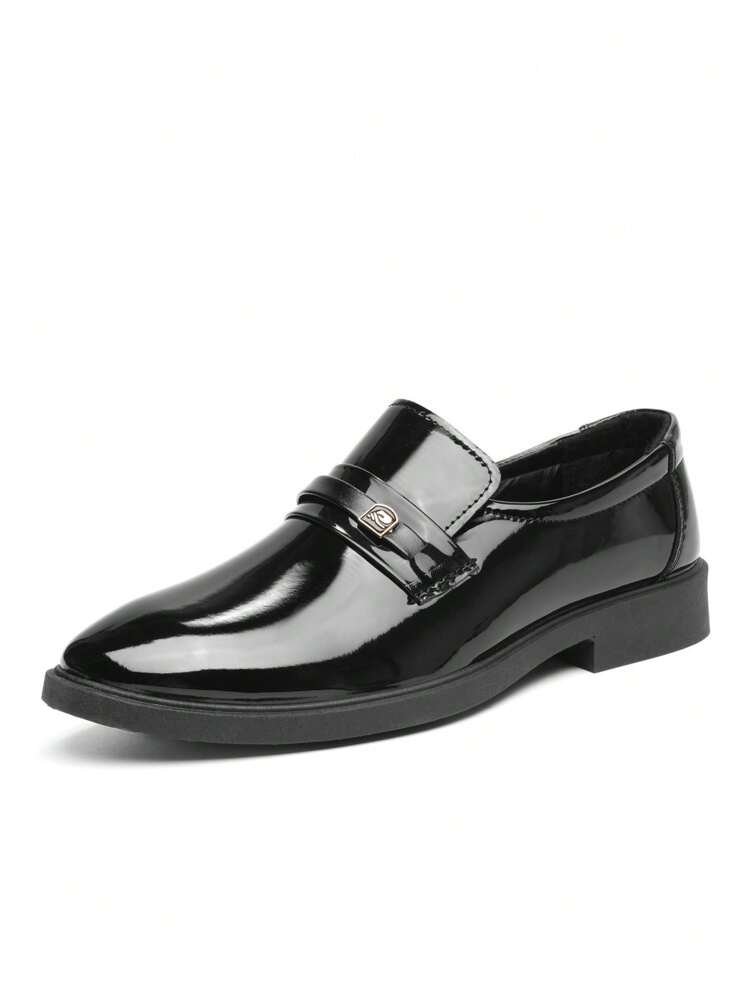
Bostonian Prescott Slip-On | Premium Leather Loafers
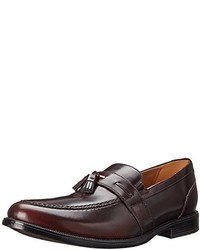
The Prescott slip-on delivers the refined silhouette our customers expect from handcrafted leather footwear, with an updated comfort footbed that holds up through long days. We built this loafer on our classic last — a shape that's been refined over decades to balance support with a dress-shoe profile. Full-grain leather uppers develop character as they wear, while the leather lining wicks moisture and conforms to your foot.
We designed the Prescott for professionals who move between meetings and commutes without changing shoes. The low-profile rubber outsole grips indoor and outdoor surfaces, and the cushioned EVA midsole absorbs impact without adding bulk. Elastic goring at the instep makes entry quick while maintaining a clean upper line.
Construction & design highlights
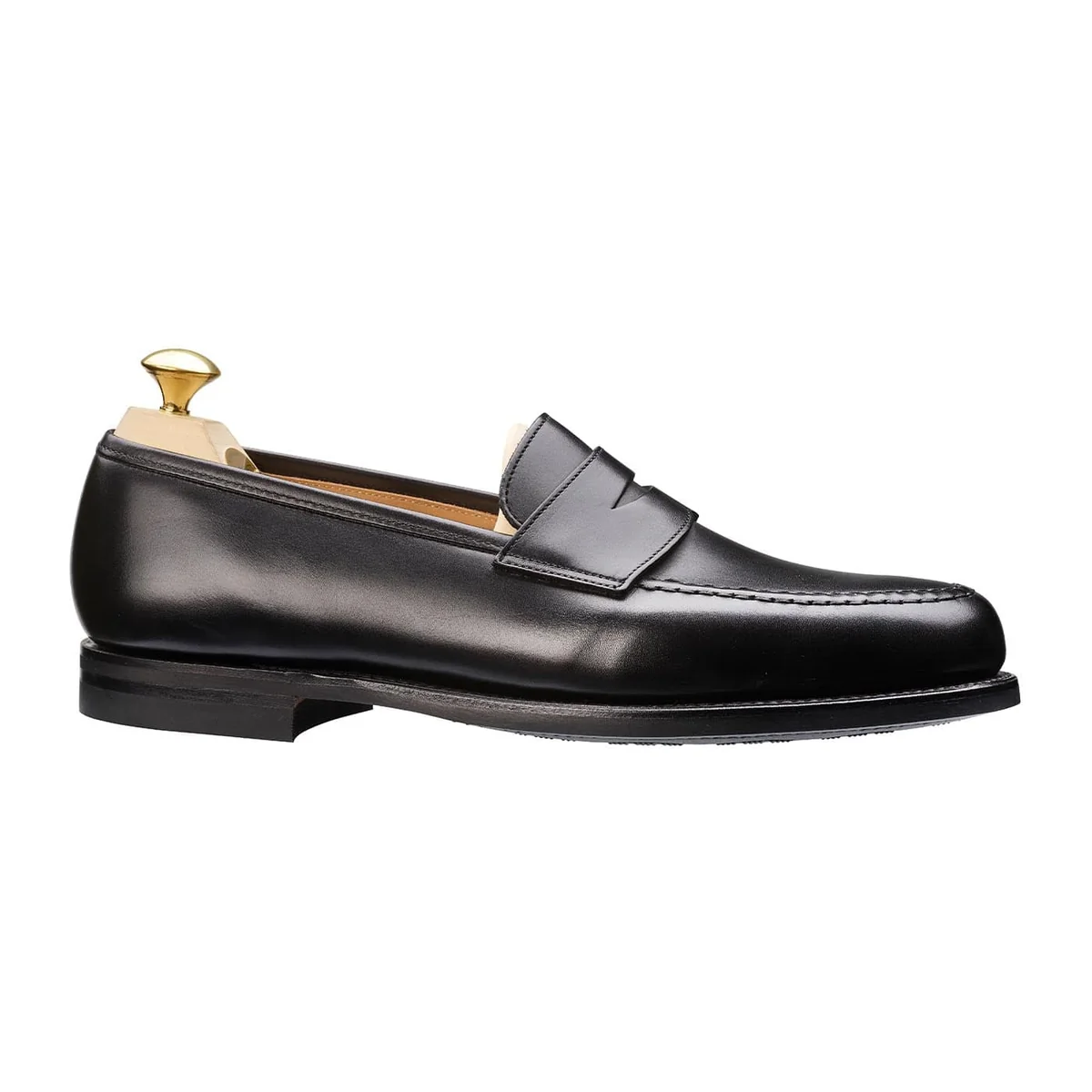
Premium Leather & Hand-Finished Details
We source full-grain leather for the Prescott because it offers the best combination of durability and natural breathability. Unlike corrected-grain or bonded leather, full-grain retains the hide’s original surface — the tight fiber structure resists scuffs and develops a patina that deepens with wear. Our tannery partners finish each hide using vegetable tanning methods that preserve the leather’s natural oils.
Every pair receives hand-burnishing along the edges and throat. This manual finishing step seals the cut leather and creates the subtle color variation you’ll see around the collar and vamp seams. The leather lining is chrome-tanned for softness and moisture management. Over the first few weeks of wear, the lining molds to your foot’s contours, eliminating pressure points that cause blisters in synthetic-lined shoes.
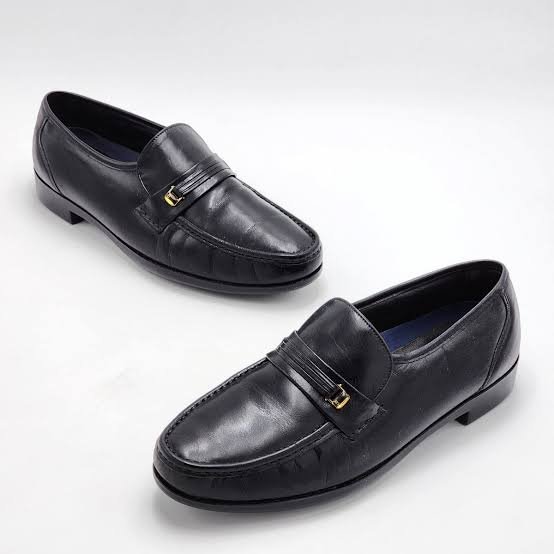
Fit, Sizing & Width Options
The Prescott runs true to standard US sizing. We manufacture it on our traditional dress-shoe last, which features a rounded toe box with medium volume through the instep and a snug heel counter. If you typically wear a 10.5 in our oxfords or derbies, order the same size here.
We offer both medium (D) and wide (EE) widths. The wide option adds approximately 3/8 inch across the ball of the foot and provides extra volume through the instep — customers with high arches or broader forefeet report better all-day comfort in the EE width. The dual elastic goring panels accommodate slight width variations, but if your foot measures on the border between widths, we recommend sizing up to the wider option rather than relying on the elastic alone.
Care & Maintenance for Longevity
Brush the uppers with a horsehair brush after each wear to remove surface dust and prevent dirt from embedding in the leather grain. For deeper cleaning, use a damp cloth with a small amount of saddle soap — work in circular motions and wipe away residue with a clean damp cloth. Allow the shoes to air-dry away from direct heat.
Condition the leather every 15-20 wears using a cream-based leather conditioner that matches your shoe color. Apply a thin layer with a soft cloth, let it absorb for 10 minutes, then buff with a clean brush. This routine replaces natural oils lost through wear and exposure, preventing the leather from drying and cracking. Avoid silicone-based polishes that create surface shine but seal the leather and block breathability.
More From Our Signature Loafer Collection

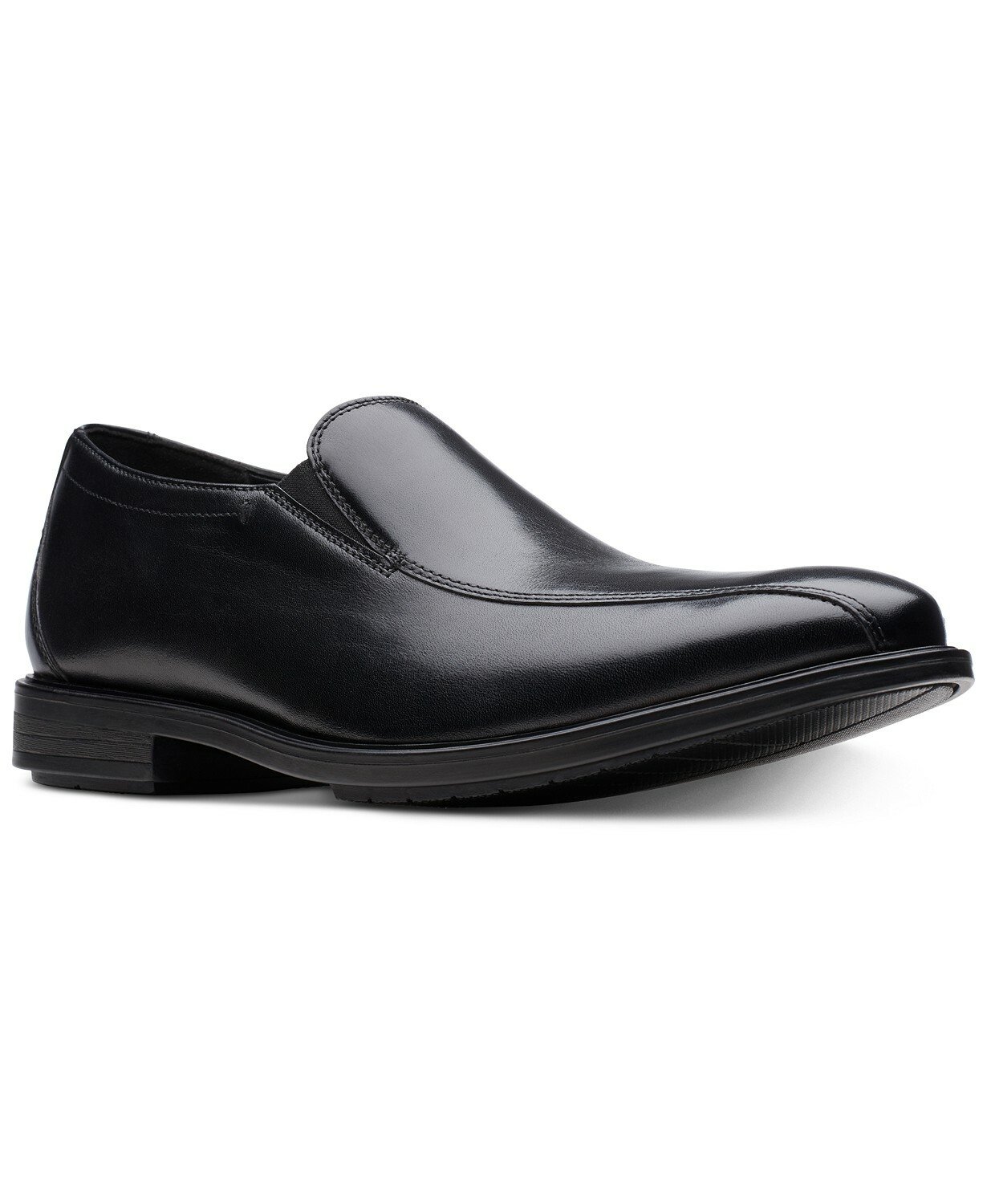


Rated 4.8 by verified buyers
Common Questions About the Prescott Slip-On
The Prescott typically needs 3-5 full days of wear to feel fully broken in. The leather footbed softens as it absorbs natural foot oils, and the cushioned insole compresses slightly to match your arch contours. We recommend wearing them for a few hours at a time during the first week rather than all day immediately. The full-grain leather upper will crease naturally at your flex points as it molds to your foot shape.
If your foot measures between widths or you have a high instep, we recommend the wide (EE) option. The wide width adds approximately 3/8 inch across the ball of the foot and provides extra volume through the instep. While the dual elastic goring panels accommodate some width variation, they work best when the underlying shoe size already matches your foot width. Customers who typically need wide sizing in athletic shoes usually need it in the Prescott as well.
Yes, the Goodyear welt construction allows a cobbler to replace the rubber outsole without disturbing the upper leather or interior footbed. Most customers need resoling after 12-18 months of regular wear, depending on walking surfaces and frequency. The welt stitching remains intact during resoling, and the process typically costs less than purchasing new shoes while extending the life of your broken-in uppers.
The Prescott works well for business casual and smart casual environments where loafers are acceptable. For strictly formal business settings that require lace-up dress shoes, consider our Prescott cap-toe oxford instead. The slip-on styling and elastic goring make the loafer less formal than a traditional oxford or derby, but the clean lines and leather construction maintain a professional appearance for most office environments.
The Prescott features a plain vamp with no hardware or decorative stitching, creating a streamlined silhouette. Our Bolton loafer adds a penny keeper strap across the vamp, while the Garvan includes a metal horsebit ornament. The Prescott shares its last and footbed construction with these other models, so comfort and fit are consistent across the slip-on collection. The choice comes down to styling preference and dress code requirements.
Brush the uppers after each wear with a horsehair brush to remove surface dirt. Condition the leather every 15-20 wears using a cream-based conditioner that matches your shoe color — apply a thin layer, let it absorb for 10 minutes, then buff with a clean brush. This replaces natural oils lost through wear and prevents the leather from drying out. Store the shoes with cedar shoe trees inserted to maintain shape and absorb moisture between wears. Avoid silicone-based polishes that create surface shine but seal the leather pores.
The elastic goring is engineered to maintain tension through hundreds of on-off cycles. We use a woven elastic that's stitched into the leather quarters rather than glued, which prevents separation at the seams. Most customers report no noticeable loss of elasticity even after a year of daily wear. If the elastic does eventually stretch, a cobbler can replace the panels without affecting the rest of the shoe construction.